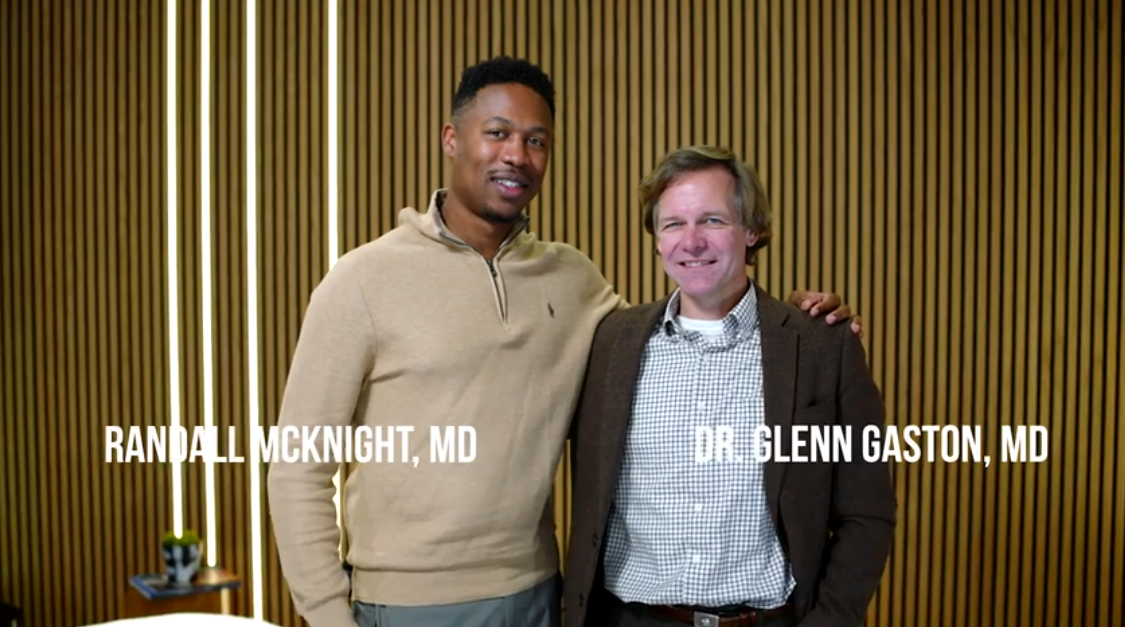
When Dr. Gaston scrubbed in on a routine surgery for a pediatric patient with syndactyly, more commonly known as “webbed fingers”, he and his peers didn’t expect it to lead them to a discovery that would save their young patient’s life.
For hand surgeons like Glenn Gaston, MD, and Randall McKnight, MD, treating limb difference and complex upper extremity conditions means looking beyond a single diagnosis and understanding the patient as a whole. In this case, it led to this child’s diagnosis of Timothy Syndrome, an ultra-rare, life-threatening genetic disorder.
“The result is 100% mortality is gone untreated.” Dr. Gaston explains. “It was the first publication in a hand journal that showed that link to surgeons. So, surgeons should be aware now that if you have a kid with something that looks pretty innocent at times, they can die if you don’t recognize this (connection) and treat them accordingly.”
With this discovery, Dr. Gaston was among the researchers who published a first-of-its-kind paper of their findings to educate the medical community on the connection between syndactyly and Timothy Syndrome. It was a diagnosis that ultimately saved this child’s life.


Essential cookies keep the site secure and functional. You can choose whether to allow non-essential cookies below.
Necessary
Required for security, navigation, and core site functionality. These always stay on.
Remember choices such as display preferences to improve your experience on return visits.
Help us understand how visitors use the site so we can improve performance and usability.
Support campaign tracking and embedded third-party tools that help us reach the right audience.